July 8, 2026
Construction sites generate immense volumes of waste material. Mountains of scrap wood, concrete rubble, and metal offcuts fill dumpsters and head to landfills. Modern builders face immense pressure from stakeholders to adopt sustainable practices. Strict environmental regulations require contractors to minimize ecological impacts. Achieving these green objectives requires innovative materials and smarter planning methodologies across the entire lifecycle.
Shifting from on-site fabrication to off-site manufacturing offers a profound solution to this systemic problem. By bringing prefabricated elements to the build location, contractors eliminate the scrap associated with field modifications. Builders achieve superior waste reduction by utilizing custom structural steel. This approach transforms a chaotic job site into a streamlined assembly area, preserving critical resources and keeping the immediate environment free of scattered debris.
Planning Construction Projects With Precision
The journey to a waste-free job site begins months before groundbreaking. Architects and engineers design modern facilities using sophisticated building information modeling platforms. These digital arenas allow project teams to map out every beam, every column, and every complex connection point. Such profound foresight prevents costly physical errors. Designers resolve structural conflicts in the virtual realm, preventing clashes during active construction and saving material.
Precision engineering requires exact measurements. Detailers translate broad architectural visions into absolute manufacturing specifications. Every solitary connection piece receives definitive coordinate data. This intense preparation means manufacturers purchase exact lengths of raw material. Minimal excess gets ordered. Factories generate minimal offcuts because the digital models dictate precise procurement requirements for the entire facility. The procurement phase becomes a targeted acquisition process.
Collaboration between the design team and the fabrication shop ensures harmony. The shop receives a pristine digital blueprint that dictates exact cuts. No guesswork exists during the manufacturing phase. The process leaves no room for human error in ordering materials. By mapping the entire skeleton of the building prior to production, stakeholders guarantee overall resource optimization. Material conservation remains the primary goal from the beginning.
Integrating these sophisticated blueprints with the unique demands of a project requires immense skill. Tailoring beams to exact load-bearing requirements prevents over-engineering. Builders stop ordering oversized, heavy beams to compensate for structural unknowns. By leveraging custom structural steel, engineers design lean, efficient frames. Every ounce of metal serves a designated purpose in the final structure. The reduction in raw tonnage correlates to a lighter environmental footprint.
Fabricating Building Materials With Exactness
Factory environments offer controlled conditions absent from standard outdoor building locations. Inside these manufacturing hubs, advanced machinery takes over. Robotic cutters and automated saws slice metal with microscopic accuracy. Weather plays no role in the production timeline. Dirt and debris do not interfere with the sensitive equipment. This clean, predictable environment ensures optimal material usage without weather-related spoilage or degradation.
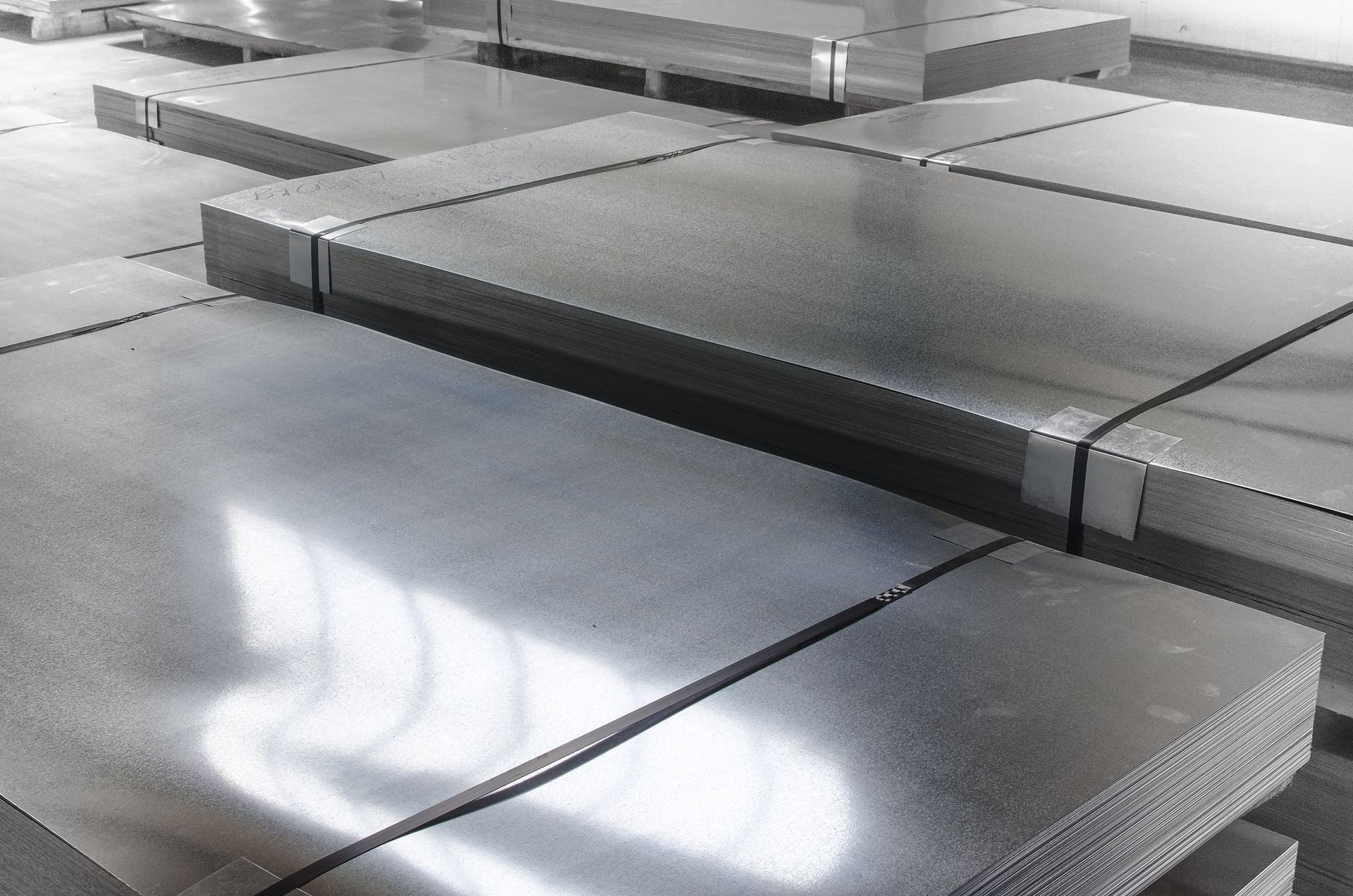
Fabricators nest distinct parts onto a piece of raw stock. Specialized software calculates the most efficient cutting pattern possible. This advanced nesting technique squeezes maximum utility from every metal plate or long beam. The tiny amount of leftover scrap falls into a bin for immediate recycling within the same facility. Nothing goes to waste in a modernized fabrication shop.
Workers complete complex welding procedures under steady lighting and controlled temperatures. Joints receive perfect welds on the opening pass. Quality control inspectors examine every individual piece for strict quality assurance. Flawed components never leave the shop floor. Fixing a mistake at the factory uses fewer resources than replacing a compromised beam in the field. Quality control stops waste at the point of origin.
The final step involves transporting the finished components to the actual build location. Factories sequence the outgoing deliveries. Trucks arrive loaded with pieces needed for specific phases of erection. Laydown yards remain organized. Staging vast amounts of raw materials becomes a thing of the past. Utilizing custom structural steel shifts the burden of manufacturing waste away from the vulnerable job site and into the hands of specialized facilities.
Streamlining Site Assembly With Efficiency
Upon arrival at the designated construction zone, the orchestrated assembly commences. The site resembles a giant construction set. Crane operators hoist heavy beams into designated slots. Ironworkers connect the components. No cutting torches spark across the active site. Workers put down grinders and heavy saws. The complete elimination of field modifications removes the primary source of job site scrap material.
Traditional building methods require constant physical adjustments. Carpenters trim wood framing. Masons chip away at heavy concrete blocks. These traditional actions leave a massive trail of dust and discarded chunks. Prefabricated components bypass this chaotic phase. Each beam slots into its adjacent column. A permanent bolt secures the connection. The ground below the rising framework stays immaculate and free of debris.
Site managers spend fewer hours coordinating waste removal services. Dumpster rentals drop. The absence of excess debris improves overall logistical operations. Trucks that hauled away scrap metal now deliver necessary supplies. This logistical efficiency reduces the carbon footprint associated with heavy transportation. The entire logistical web operates with enhanced fluidity, keeping the project on schedule and minimizing excess fuel consumption.
Improved cleanliness translates into enhanced safety for the entire crew. Workers navigate the active zone without tripping over scattered offcuts or jagged metal shards. A tidy environment fosters a systematic workflow. Crews focus on erection duties. Building complex structures with custom structural steel guarantees a methodical, clean, and hazard-free environment throughout the entire duration of the project.
Fostering Green Building With Recyclability
True sustainability extends beyond the immediate construction phase. Environmental responsibility considers the complete lifecycle of the building materials. Traditional structures turn into massive piles of unrecoverable rubble during late-stage demolition. Concrete and drywall mix into contaminated heaps destined for the local landfill. Metal frames offer a positive contrast to this destructive cycle of build and destroy. Architects prioritize materials that offer end-of-life value.
Iron and carbon alloys possess incredible restorative characteristics. The material loops back into the global supply chain. According to Grand View Research, structural steel is 100% recyclable and maintains its mechanical properties. This incredible durability means the sturdy beams supporting a tall skyscraper today might form the tough chassis of a suspension bridge in the distant future.
Forward-thinking architects design buildings for eventual, methodical deconstruction. Abandoning wrecking balls, demolition crews use standard wrenches. Workers unbolt the framework. Giant cranes lower the beams back onto flatbed trailers. The intact pieces travel to a dedicated processing plant. Foundries melt down the beams to forge unique shapes. The raw material undergoes a total rebirth.
This closed-loop circular economy eliminates the pressing need to extract fresh iron ore from the earth. Invasive mining operations diminish. Overall energy consumption drops. The heavy industry preserves beautiful natural landscapes. Specifying custom structural steel in modern architectural designs signals a profound commitment to perpetual resource conservation. Builders secure strong foundations for their current projects while protecting the planet for future generations.
Eliminating job site waste demands a paradigm shift in fundamental construction methodologies. Traditional habits of over-ordering, on-site cutting, and excessive disposal no longer align with strict modern environmental standards. Builders must embrace prefabrication and exact engineering practices. The deep integration of advanced digital modeling and controlled factory production stops waste before it reaches the build location. Every phase of modern construction requires meticulous orchestration.
The profound transition to cleaner building sites benefits both the natural environment and the project budget. Material conservation minimizes costly disposal fees and material acquisition costs. A streamlined, debris-free erection process protects field workers and accelerates completion timelines. By prioritizing custom structural steel, the construction industry champions a sustainable, waste-free future. The built environment rises with immense strength, leaving nature undisturbed. We would love to help you bring your next project to life with precision and efficiency. Contact Ozark Mountain Steel today to discuss how our custom structural steel can streamline your build and minimize waste.