October 22, 2026
Construction companies are increasingly looking for ways to conserve resources, reduce waste, and create buildings that remain useful for decades. A circular construction approach keeps materials in use as long as possible rather than treating them as disposable resources. Structural steel supports this approach through its durability, recyclability, and potential for reuse. By considering how building materials will be maintained, adapted, and recovered throughout their lifecycles, project teams can make more sustainable decisions.
Extending Material Lifecycles
Durability and Longevity
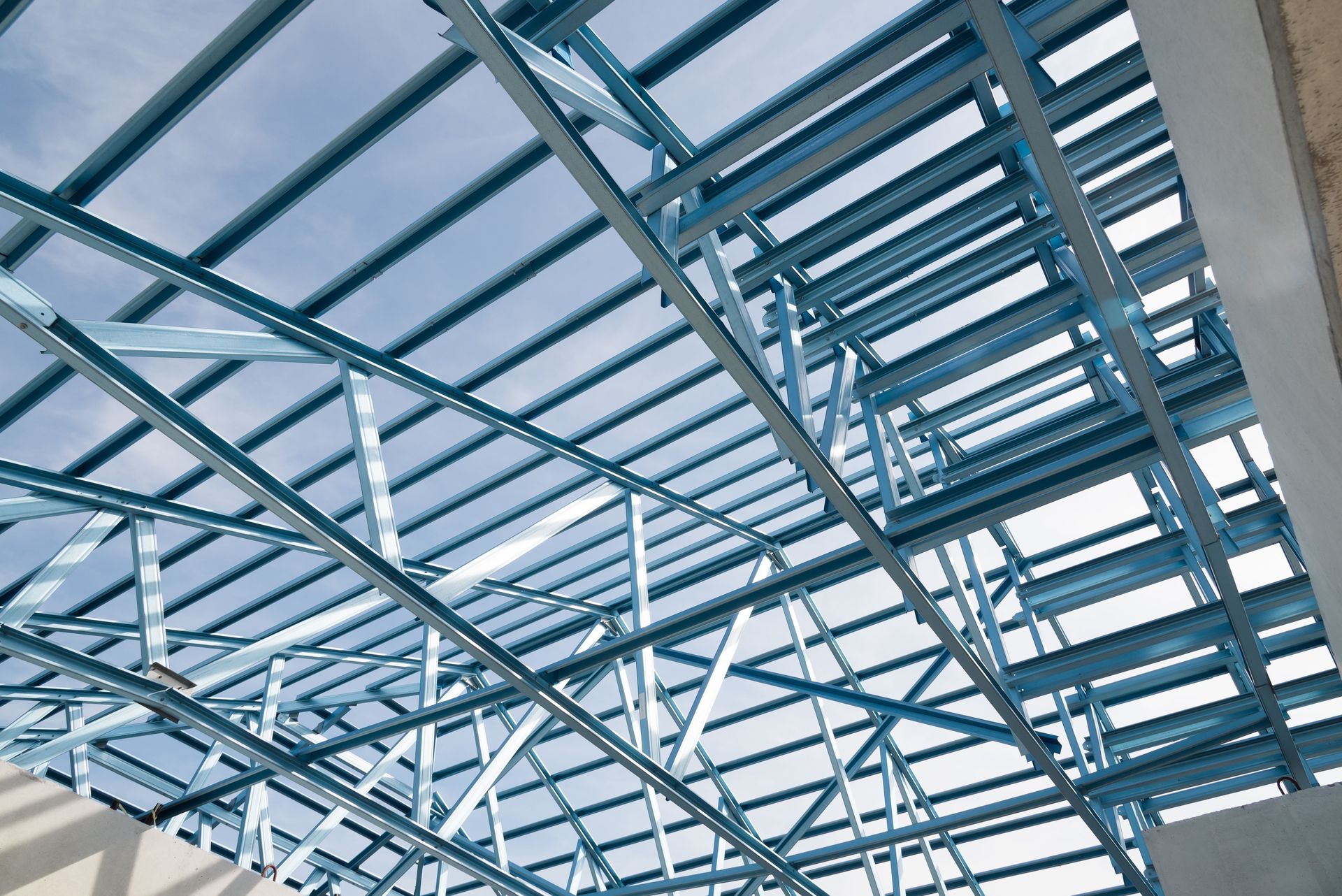
One of the most important contributions structural steel makes to circular construction is its long service life. Steel framing provides reliable support for buildings, warehouses, industrial facilities, and other structures when properly designed, installed, and maintained. Its strength allows engineers to create dependable frameworks that withstand demanding conditions. With appropriate corrosion protection and routine inspections, steel components can remain functional for many years.
Long-lasting materials reduce the need for frequent replacements, which require additional raw materials, manufacturing energy, transportation, and labor. Buildings that remain structurally sound may also need fewer resource-intensive repairs, improving lifecycle efficiency and helping property owners manage maintenance costs.
A structural steel manufacturer can contribute to durability by producing components that meet project specifications and dimensional requirements. Accurate fabrication helps construction teams assemble structural elements as intended, while appropriate material selection supports the demands of the finished building.
Recycling and Resource Recovery
Recyclability is another major advantage of structural steel in a circular construction model. According to Grand View Research, structural steel is 100% recyclable without losing its mechanical properties. This allows recovered steel to become a valuable input for future products rather than construction waste. Recycling helps conserve raw materials and supports more resource-efficient building practices.
When a building reaches the end of its useful life, its steel components may be recovered during deconstruction or demolition. Recyclable materials can reenter the manufacturing supply chain, reducing landfill waste and the need for newly extracted resources. The environmental benefits depend on collection, transportation, processing methods, and the energy used during recycling.
Recycling also creates opportunities to recover value from materials that would otherwise be discarded, helping construction projects contribute to a more resource-conscious supply chain.
Project teams can support material recovery by considering end-of-life requirements during the design phase. Maintaining construction records, identifying materials, and planning for eventual disassembly can make it easier to recover components for future use.
Designing Buildings for Reuse
Reusable Building Components
Recycling turns recovered steel into material for new products, while direct reuse can preserve the value of existing components. Depending on their condition, dimensions, connections, and structural requirements, steel beams, columns, and other elements may be suitable for another application. Reusing these components can reduce demand for newly manufactured materials.
However, components cannot automatically be reused in every project. Engineers must evaluate their condition and verify that they meet the requirements of the proposed application. Corrosion, damage, previous modifications, and differences between project specifications can affect whether reuse is practical.
Design decisions made early can make future reuse more feasible. Accessible connections, organized documentation, and plans for separating components can simplify later modifications or dismantling. A structural steel manufacturer working from detailed project drawings can help supply components suited to the intended design.
Modular and Adaptable Design
Modular construction incorporates components or sections that can be assembled in a planned configuration. Depending on the design, modules may be relocated, expanded, or adapted as building requirements change. Structural steel's strength and versatility make it suitable for many modular applications.
Adaptability matters because building needs evolve. A warehouse may require a different layout as storage practices change, while a commercial property may need modifications for new equipment or operations. Flexible structural designs can make these changes possible without replacing the entire building.
Modular planning can also improve coordination between fabrication and on-site construction. Components prepared to project specifications can be assembled according to an established sequence, helping teams organize labor, equipment, and deliveries. Effective planning can reduce rework and improve material efficiency.
By discussing future expansion and potential modifications with a structural steel manufacturer during the planning stage, project teams can identify opportunities to make buildings easier to adapt as their needs change.
Reducing Construction Waste
Precision and Material Planning
Construction waste often results from inaccurate measurements, changing specifications, ordering errors, and materials that cannot be used as intended. Accurate drawings, verified dimensions, and clear communication can improve ordering decisions and reduce avoidable losses.
Steel processing supports these efforts by preparing components according to project requirements. Confirming measurements and specifications before fabrication helps ensure that materials arrive ready for their intended use. This preparation can reduce last-minute adjustments and unnecessary scrap.
Working with a structural steel manufacturer early in the planning process helps contractors coordinate material requirements, processing details, and delivery expectations. Sharing accurate project information also makes it easier to identify potential issues before they affect fabrication or installation.
Reuse During Renovation
Renovating an existing building can conserve resources when the original structure remains suitable for continued use. Targeted modifications may preserve substantial amounts of existing material, reducing demolition waste and demand for replacements. Steel framing can remain part of a renovation when engineers determine that it meets the updated design requirements.
For example, a property owner may need to modify a facility for new equipment, additional storage, or a different interior arrangement. An assessment can identify which components can remain, which require reinforcement, and where new materials are necessary.
Renovation still requires careful evaluation, particularly when a building has experienced corrosion, damage, or changes in use. Engineering assessments help determine whether existing components remain appropriate. When preservation is feasible, it can extend building lifecycles and conserve resources.
Improving Steel Production Practices
Energy and Resource Efficiency
Circular construction also depends on how materials are manufactured. Steel production requires energy and other resources, so improvements in manufacturing efficiency can reduce environmental impacts. Recycling can limit demand for virgin raw materials, while production methods and energy sources influence the finished product's overall footprint.
Developments in steelmaking include improvements in furnace performance, process control, and scrap utilization. Environmental results vary by production method and energy source, making material sourcing an important consideration for construction teams evaluating sustainability.
Efficiency matters during fabrication, too. Accurate processing, sensible cutting plans, and effective scrap management help make better use of incoming materials. Recoverable offcuts can be collected for recycling instead of being discarded, supporting responsible resource management throughout the steel supply chain.
When evaluating suppliers, project teams can ask a structural steel manufacturer how fabrication processes handle material offcuts and whether recyclable scrap is collected appropriately. These conversations help clarify how material efficiency fits into a project's broader sustainability goals.
Lifecycle-Focused Project Decisions
Choosing construction materials involves more than comparing initial prices. Project teams should consider expected service life, maintenance needs, adaptability, recovery options, and structural requirements. Evaluating these factors together provides a more complete picture of long-term material performance.
Considering these factors early allows project teams to make choices that support immediate construction goals while preserving options for future renovations, material recovery, and reuse.
A structural steel manufacturer can support informed planning by helping customers coordinate specifications, fabrication requirements, and material needs. Contractors and designers can further improve lifecycle outcomes by documenting materials, planning for maintenance, and considering how future occupants might modify or dismantle the building.
Building a More Circular Future
Structural steel supports circular construction through its durability, recyclability, and potential for reuse. Modular planning, precise fabrication, thoughtful renovations, and responsible material recovery can reduce waste while extending the useful life of valuable resources. Coordinated decisions across design, construction, maintenance, and deconstruction can make a meaningful difference.
For contractors and project owners planning a new build, working with an experienced supplier is an important step toward effective project coordination. Ozark Mountain Steel can help customers explore structural steel options and fabrication requirements. Contact the team to discuss your project's needs and learn how properly planned steel components can support a durable, resource-conscious building.